
Since I started curating on Some Select, I've selected dozens of sites. Some stopped me cold with their formal audacity. Others with their ruthless efficiency. Looking at them side by side, a pattern emerged: studios and agencies don't speak the same visual language. They don't try to convince in the same way. They're not addressing the same type of client, nor the same type of emotion.
Here's what studying them has taught me.
What a studio does: it signs
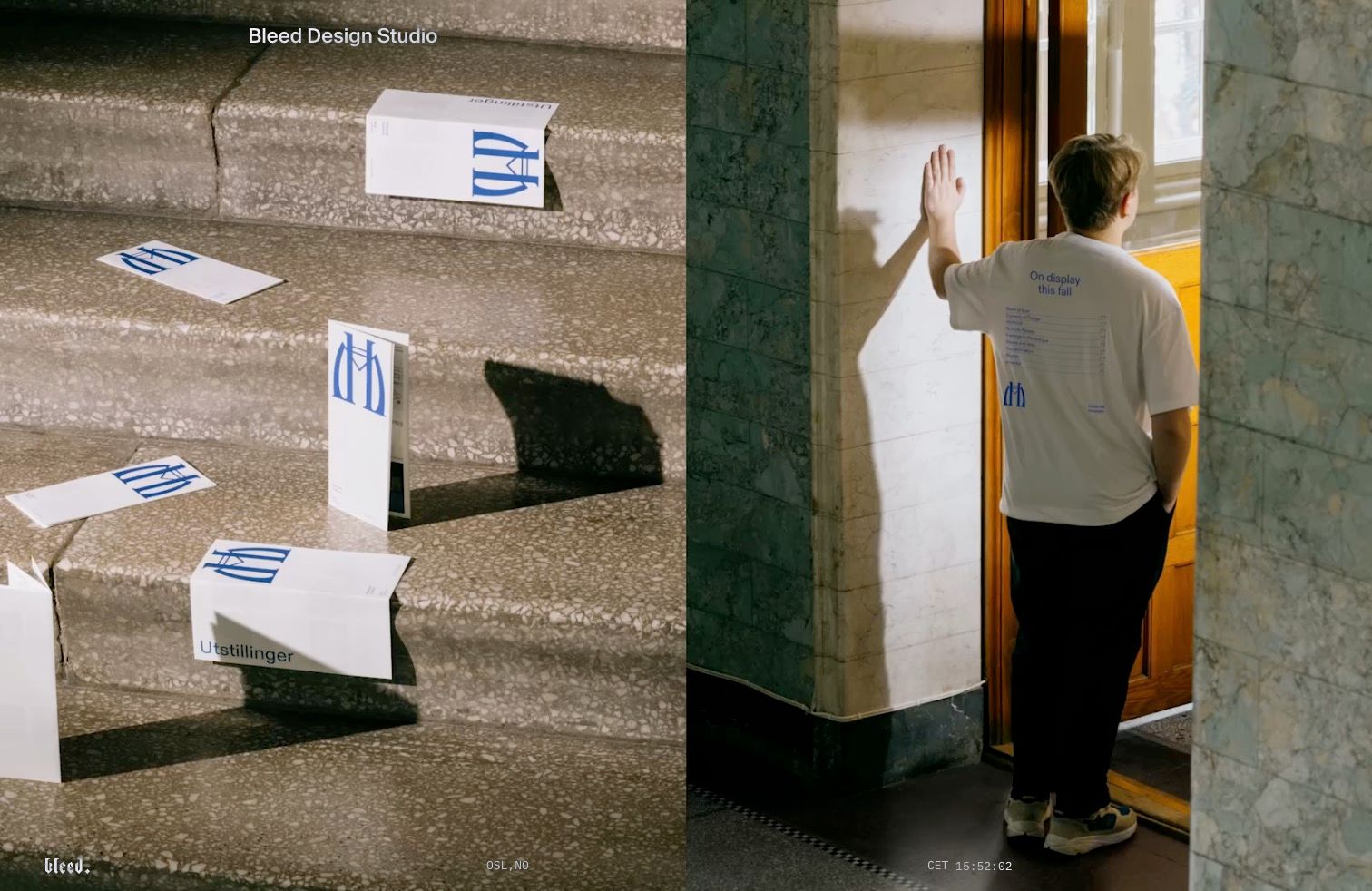
A design studio is, above all, a signature. When you land on Bleed Design Studio (entry #028), you immediately know you're dealing with someone who has a vision — brutal, high-contrast, cinematic. The black background, the massive typography, the full-screen video sequences. There's no ambiguity about who's in charge or what they stand for aesthetically.
Same logic with Non Standard (#033). The name says it all: this studio refuses templates, conventions, expected websites. The aesthetic is brutalist, image-heavy, experimental. Every scroll is a statement of intent. This site isn't trying to please everyone — it's trying to recognize its own.
That's the studio philosophy: the website itself is the work. It demonstrates sensibility, approach, universe. The future client must recognize themselves in what they see — or not walk in.
The direct consequence: a studio site doesn't sell services. It attracts clients who want exactly that vision. The studio doesn't have to negotiate its aesthetic because it's already been established. The price follows. The client comes looking for something specific.
What an agency does: it reassures
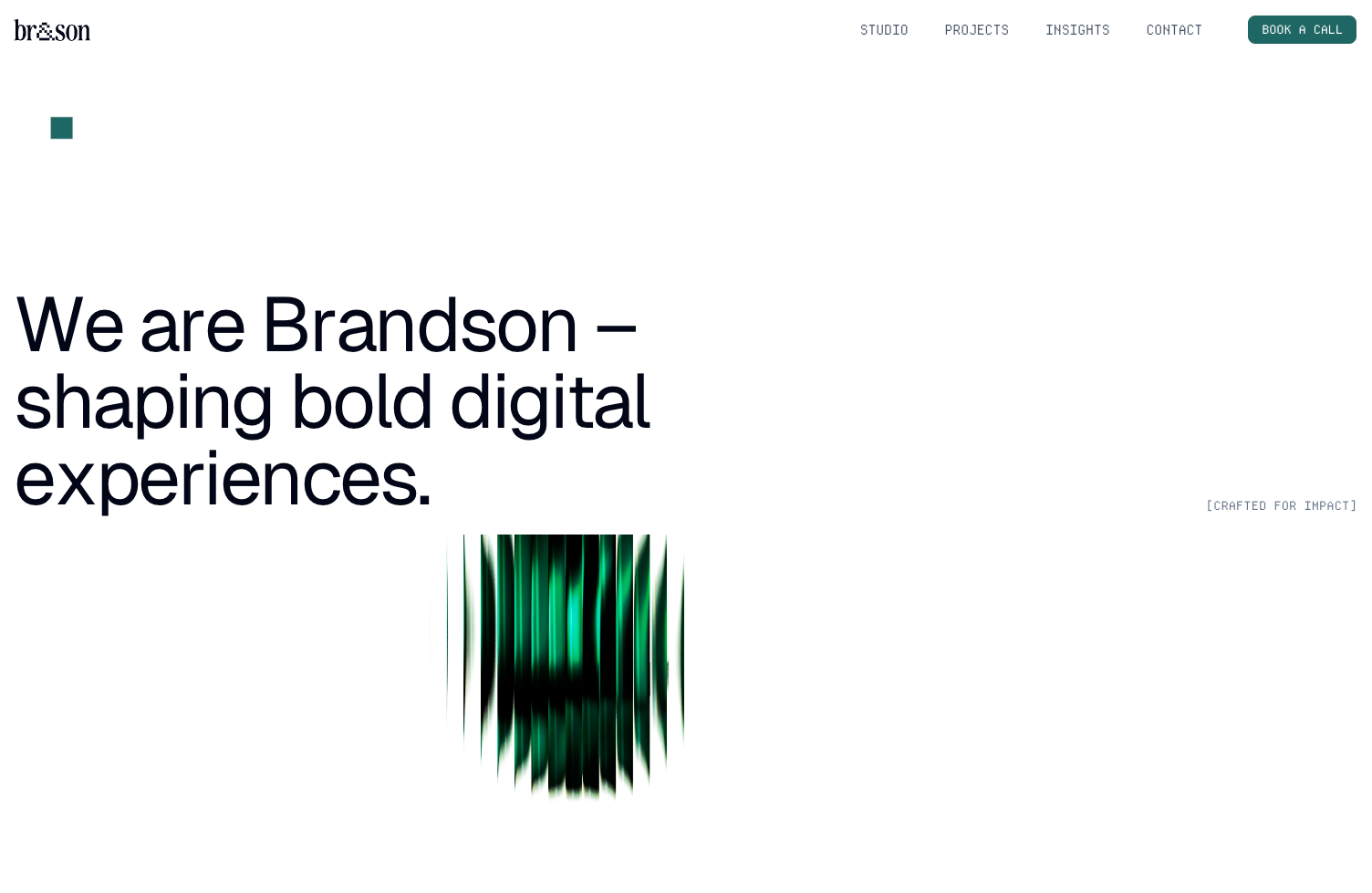
An agency makes a different promise. When you land on Brandson (#027), you feel something different: it's clean, minimal, professional. The background video is polished, the grid is controlled, the parallax is elegant. But the intent isn't to impress you — it's to inspire confidence.
An agency must reassure before it seduces. It often speaks to marketing directors, founders, decision-makers who aren't designers. These clients don't want to be destabilized — they want to see that the agency understands their problems, has done this before, and will deliver.
The aesthetic is therefore in service of credibility, not expression. Colors are sober, navigation is smooth, case studies are front and center. The persuasion machine is well-oiled.
This isn't worse. It's different. And for many clients — especially B2B companies, startups that need to reassure investors — it's exactly what they need.
What this concretely means for you
If you're looking for someone to build your website, this distinction is worth understanding before you send your first email.
Choose a studio if you have a strong aesthetic vision, if you want a site that truly resembles you, if you're ready to be guided — and sometimes challenged. The best studios don't execute a brief: they interpret an intention. The result can surprise you. That's often what makes it memorable.
Choose an agency if you need a structured process, clear deliverables, a partner who understands business constraints. An agency works with briefs, milestones, revisions. It's built to absorb organizational complexity.
Both approaches can produce remarkable websites. What differentiates them is the type of working relationship they imply — and the type of result they aim for.
What the Some Select catalogue reveals
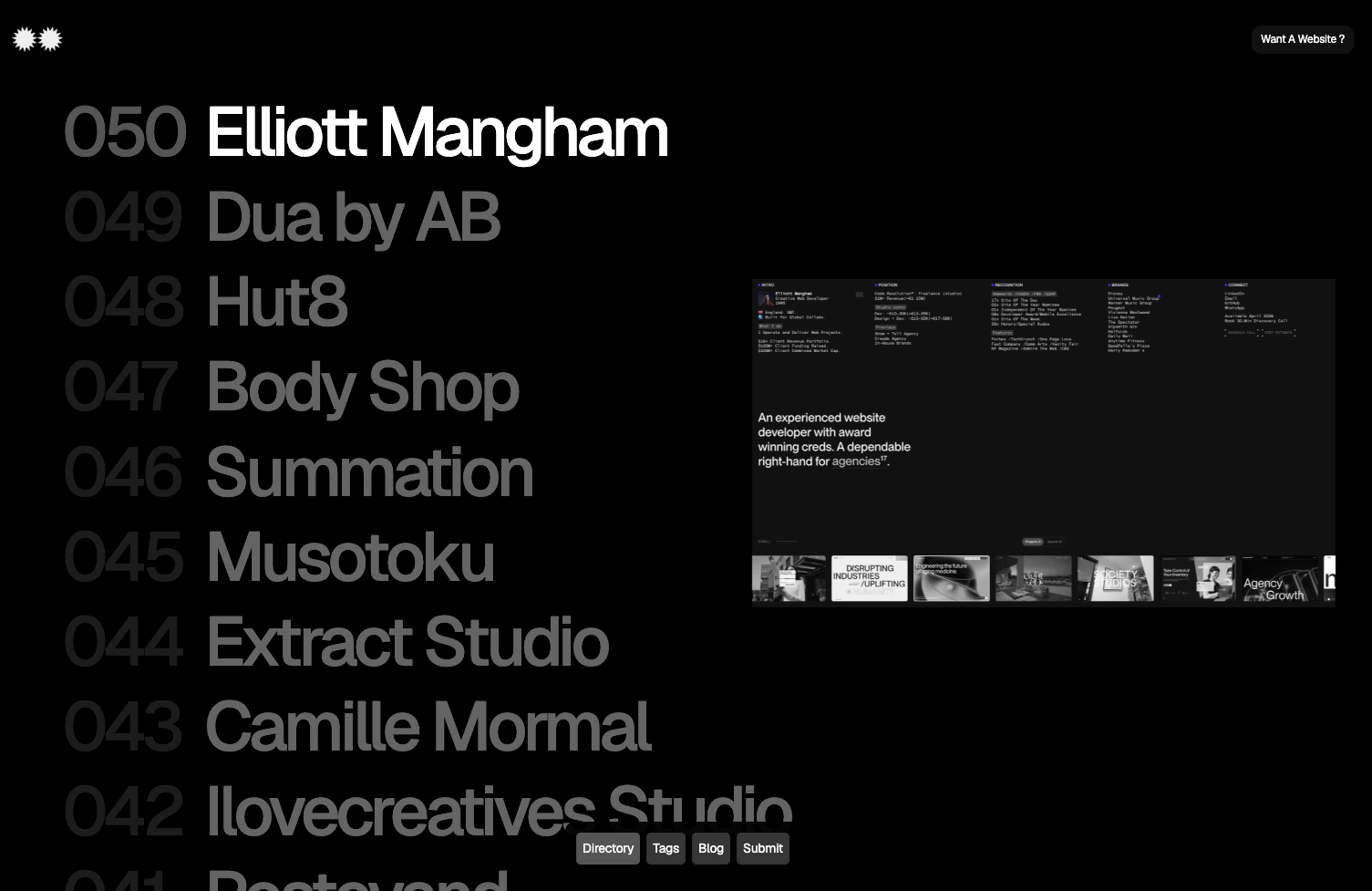
Looking through the entries I've selected, what strikes me is that the most memorable sites are almost always those where the intent is clear from the very first second. Whether it's the formal radicality of Non Standard or the balanced mastery of Brandson, what holds attention isn't the budget or the technique — it's the coherence between what the entity is and how it presents itself.
An exceptional website doesn't try to please everyone. It tries to speak precisely to those who need to hear it.
Maybe that's the real philosophy of web design in 2025 — whether you're a studio or an agency.